

Smartphone manufacturers promote new features that excite users. Cutting-edge technology now enables smarter, faster, and safer devices. By 2025, the way phones interact with us will have advanced significantly. We anticipate more than simply a screen and a camera. We demand smarter assistance, more design options, and greener manufacturing. Readers want to know what is actually important when purchasing a phone nowadays. This essay focuses on the top aspects of 2025. We focus on what stands out, what we must have, and why security is more important than ever. Let’s look at what constitutes a top smartphone this year.
What Makes a Smartphone Stand Out in 2025?
AI and Machine Learning in Smartphones
AI now drives phone cameras, enhancing images in real time. The phone learns your patterns and recommends the appropriate apps at the perfect time. It helps to optimize battery usage by determining which tasks are most important. Machine learning improves voice assistants. They respond to queries quickly and with greater context. We can govern AI by teaching it what we desire. Phones adapt to each user’s preferences. AI performs difficult tasks discreetly in the background. Users benefit from intelligent automation and streamlined answers. A genuinely remarkable phone in 2025 simplifies life with AI that listens and learns.
Customizable and Modular Designs
The modular design allows users to change items such as cameras or batteries. If your battery fails, you may replace it without purchasing the entire phone. You may update the camera module as technology advances. Users may choose colors, backs, and grips for comfort and design. Modular pieces help decrease waste. Repairs become more economical and straightforward. Companies allow us to design the phone we require. We mix and match components as technology advances. A modular smartphone retains its worth longer. It allows for freedom and personal expression. This makes gadgets stand out by 2025.
Sustainable Materials and Energy Efficiency
Smartphones increasingly include recycled metals, polymers, and glass in their designs. Companies use eco-friendly parts to reduce their carbon footprints. Packaging is shrink-wrapped and made from recyclable cardboard. Phones run on efficient CPUs that consume less electricity. They automatically darken displays and eliminate background processes to conserve energy. Energy-saving electronics and solar-powered accessories have also appeared. Customers choose brands that commit to greener practices. They decrease electronic waste. Phones with higher energy efficiency charge faster and remain cooler. Smartphones are a responsible option since they are made with sustainable materials and use smart electricity. That is more important than ever in 2025.
Must-Have Smartphone Features for 2025
Revolutionary Display Technology
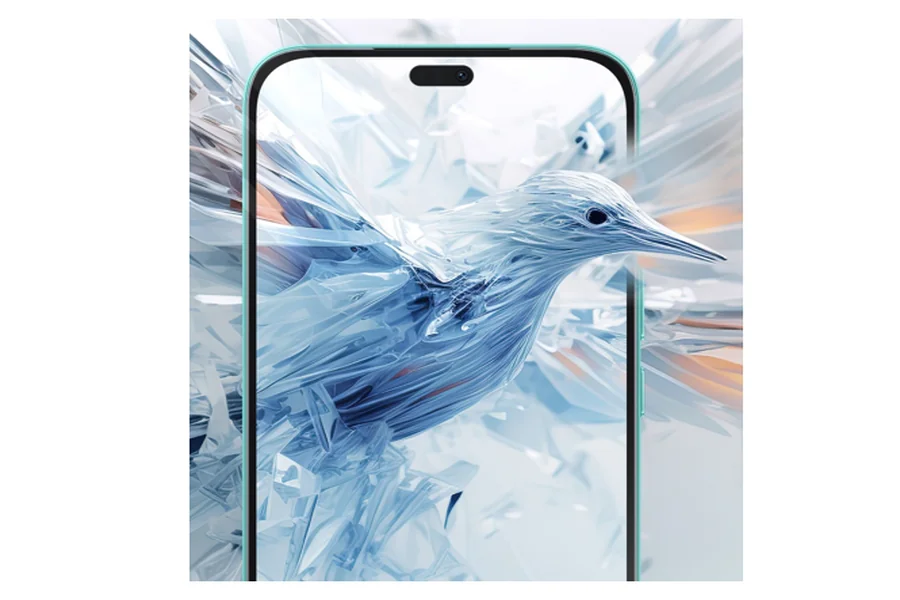
New displays have foldable, rollable, or sliding screens that alter form factors. We either open phones to tablet size or close them to fit in our pockets. Outdoor screens glow brighter, while inside screens reveal deeper blacks. Variable refresh rates can reach 120 Hz or higher, resulting in smoother scrolling. Under-display cameras and sensors provide full-screen immersion. To preserve battery life, displays adapt by changing between reading, gaming, and video modes. Fingerprint sensors and cameras are located beneath the glass. The HONOR 400 Lite Cell phone showcases this revolution in display tech, giving you bigger, sharper screens without big devices. That makes a phone truly cutting-edge in 2025.
5G and Future Connectivity
5G speeds have reached multigigabit levels and are now available in more regions. Phones also support Wi-Fi 6E and the upcoming Wi-Fi 7 for ultrafast home networks. We connect smoothly across networks by intelligently switching between Wi-Fi, 5G, and forthcoming 6G trials. Phones use satellite connectivity to make emergency calls when there is no signal available. Bluetooth LE transmits data and audio while consuming minimum power. Connectivity is widespread and rapid. Streaming, gaming, and downloading felt instantaneous. Phones remain connected almost everywhere, even in rural areas and isolated journeys. Smartphones will stand out in 2025 with their strong, flexible connectivity.
Enhanced Battery Life and Charging Speed
Smartphones in 2025 can last two days with typical use. They use high-density batteries with efficient chips. Adaptive charging learns your routine and extends battery life. With updated power standards, fast charging can reach 80 percent in 15 minutes. Wireless charging becomes significantly quicker and works from up to a foot away. Reverse wireless charging allows phones to recharge earphones or watches while on the road. Energy-saving software reduces idle drain. Users may go further without plugging in. Battery life will be a notable feature in 2025 due to its low downtime and high endurance.
Why Security and Privacy Matter in 2025 Smartphones?
Biometric and Facial Recognition
Phones employ powerful fingerprint and facial scanners that are resistant to spoofing. They detect pressure, depth, and skin patterns to ensure accurate identification. Your fingerprint remains protected in hardware. Face unlock demands actual eyes and real people, not photographs or masks. Scanners perform in low light conditions and may be used with glasses or masks. Users can quickly unlock their phones while also protecting their data. Biometric checks adapt to age or changing appearances. They look for oddities. These security scans are performed on-device, so data never leaves the phone. This allows for quick access while also protecting sensitive information in 2025.
End-to-End Encryption
Messages, calls, and saved data are automatically encrypted. Encryption employs strong keys that are produced and kept solely on your device. Only your devices can decrypt your data. Cloud backups are encrypted before upload and need your key to open. Third parties, including the corporation, cannot view your material. Shared notes, group chats, and audio conversations all receive the same level of safety. Encryption operates discreetly in the background. You concentrate on conversing or working without thinking about spies or hackers. End-to-end encryption will provide digital peace of mind by 2025.
Secure Payment Solutions
Smartphones can now accept secure cards, tokens, and biometric payment applications. Your wallet is located behind a face or fingerprint barrier. A one-time code associated with your device is used in each transaction. The phone isolates payment chips in a secure enclave. Scammers cannot use malware to steal credit card information. Even if criminals hack into the operating system, payment systems remain secure. Users validate payments with their fingerprints or faces. Banks and applications also check device authenticity. Payments now feel easy and secure. This secure payment layer provides customers with the confidence to pay with just their phone in 2025.
Conclusion
Smartphones of this year need to be capable of more than just connecting us. They have to think, adjust, and defend. High expectations for 2025 are met by devices that employ greener materials, allow us to exchange parts, and learn through artificial intelligence. We want long-lasting batteries, quick networks, beautiful screens, and easy charging. Security also receives attention. Our lives are protected by encryption, biometrics, and secure payments. Smart technology, privacy, and choice are now all combined in top phones. Selecting one entails selecting a tool that upholds your safety, your principles, and yourself. In 2025, that’s what makes a smartphone the greatest.